Category: Translation and interpreting studies
-
Modelling competence levels in written translation
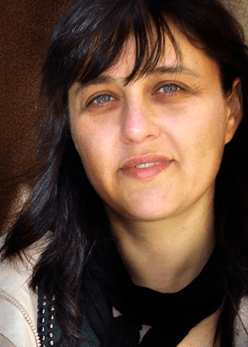
“We all know what it means to have a C1 in Portuguese. But wouldn’t it be great if we could also say ‘I have a C1 in technical translation from English to Spanish’?” Patricia Rodríguez-Inés, senior lecturer
-
Investigating “interpreter advantage”
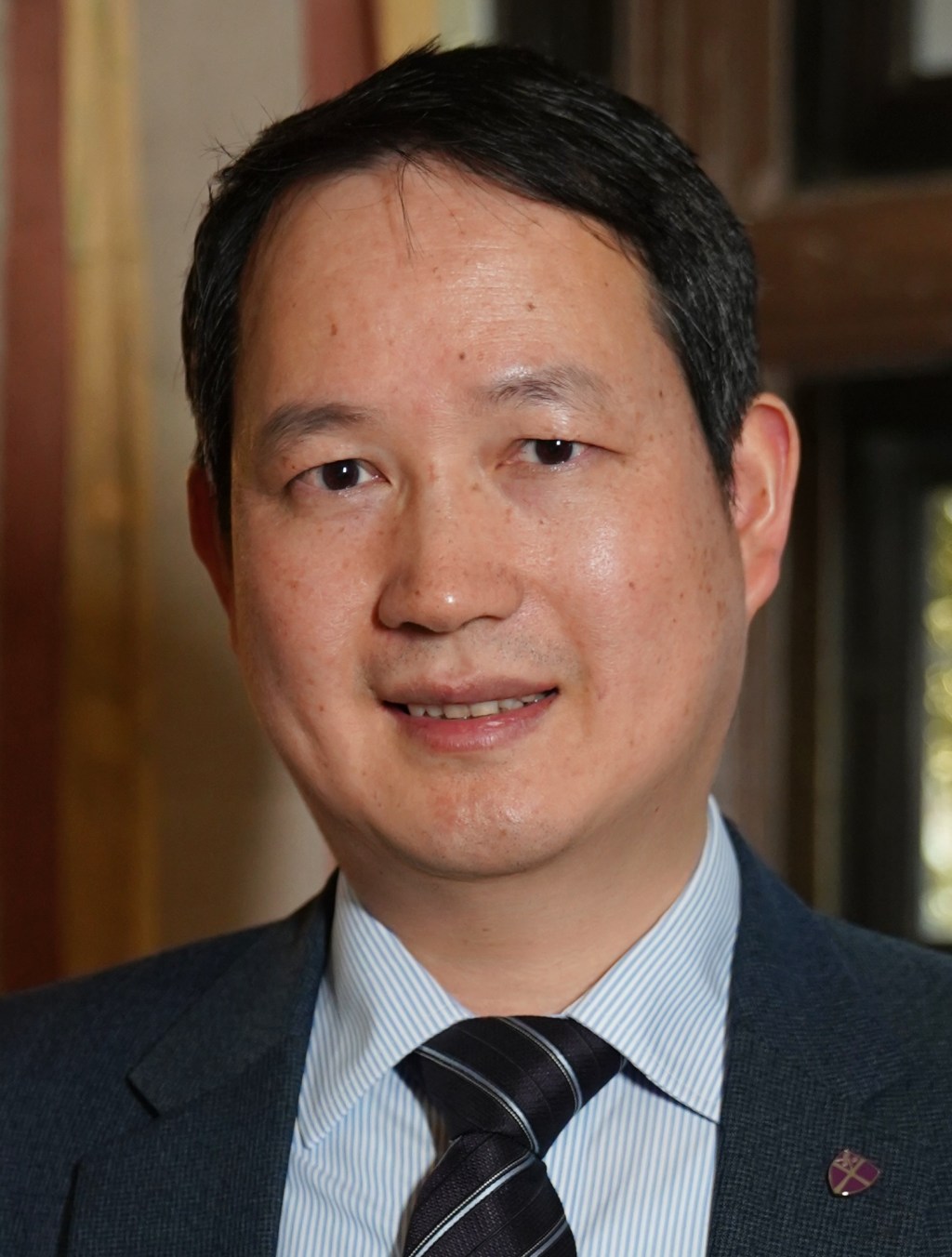
“Our research shows that cognitive abilities can be developed during early stages of interpreter training, so they should not be seen as something you need before you can start interpreting.” Prof. Binghan Zhen
-
Methods we live by

“Research is not just about the methods. It’s also a theory that I apply and the question I want to ask. It all needs to fit together.” Assoc. Prof. Elisabet Tiselius
-
Human-centred augmented translation

“Talking about augmentation in translation, I think we need a system serving translators instead of translators serving the system.” Prof. Sharon O’Brien
-
Cognitive load and ergonomics
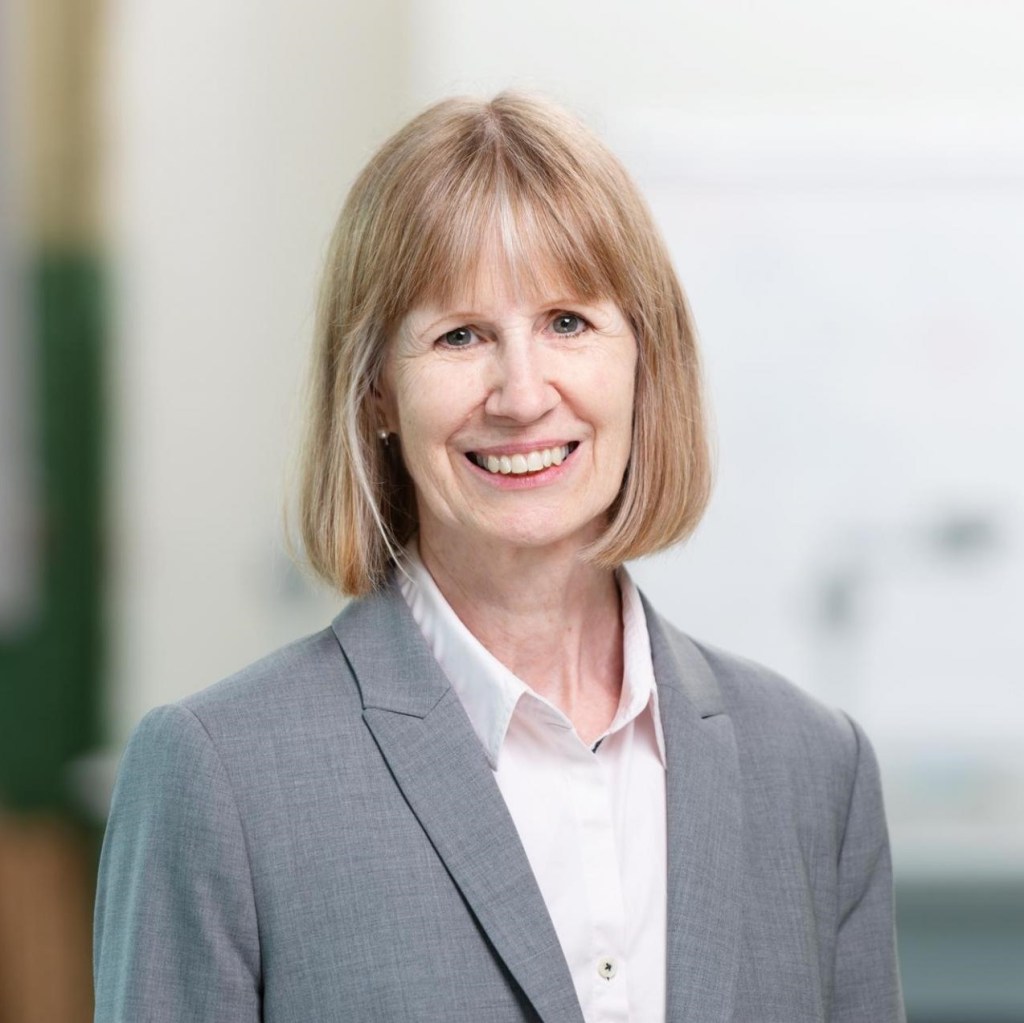
“We are brains within bodies. There are very few people whose bodies are so trapped that they can’t move. Those of us who can move tend to think with the whole body.” Maureen Ehrensberger-Dow
-
Keylogging and the translator’s mind

“What makes translation such a fascinating discipline, is that it opens your mind to so many ways of experiencing this wonderful world.” Prof. emeritus Arnt Lykke Jakobsen
 MINDS BETWEEN LANGUAGES