Tag: translation
-
Modelling competence levels in written translation
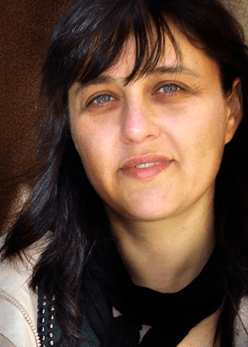
“We all know what it means to have a C1 in Portuguese. But wouldn’t it be great if we could also say ‘I have a C1 in technical translation from English to Spanish’?” Patricia Rodríguez-Inés, senior lecturer
-
Translating in ‘default mode’
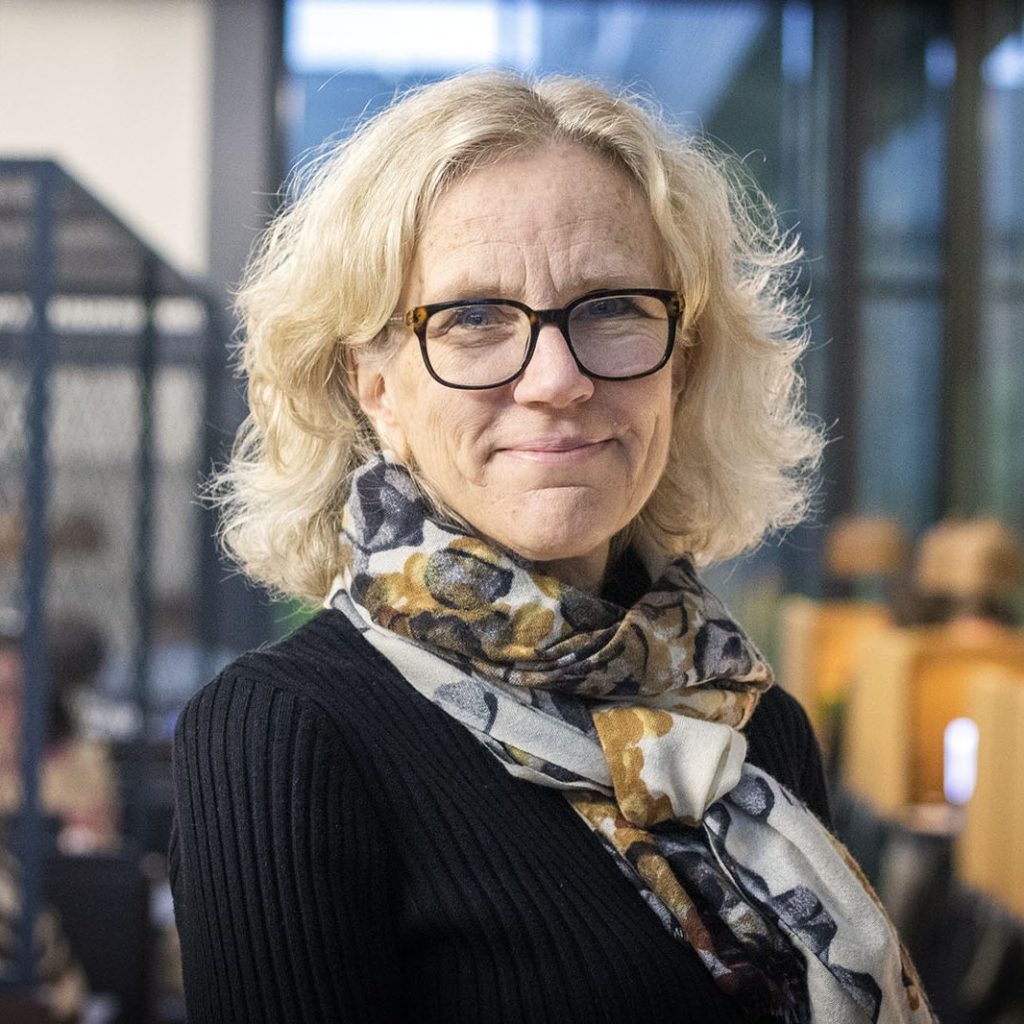
“The idea of Default translation is not that formal similarity of any kind makes it easier. It is just that some translation solutions become more routinised.” Prof. Sandra Halverson
-
Neuroimaging techniques in Cognitive Translation and Interpreting Studies

“I believe if we understand how our brain works, it will put us in a better position to design a curriculum for our students.” Prof. Defeng Li
-
Embodied cognition in translator education
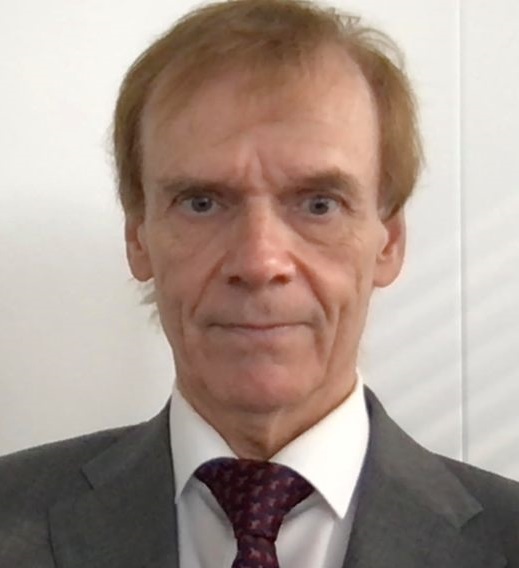
“Your cognition is not just that of an individual sitting there performing an act of translation. There are so many factors intervening, shaping, affecting, undermining or promoting that cognition that have to be taken into account.” Prof. Gary Massey
-
Human-centred augmented translation

“Talking about augmentation in translation, I think we need a system serving translators instead of translators serving the system.” Prof. Sharon O’Brien
-
Field, body, and context in translation research
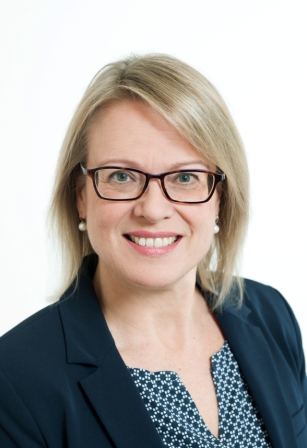
“Translation is carried out in global supply chains. We need to study these processes empirically to understand their consequences for translators and interpreters.” Prof. Hanna Risku
-
Of humans and machines
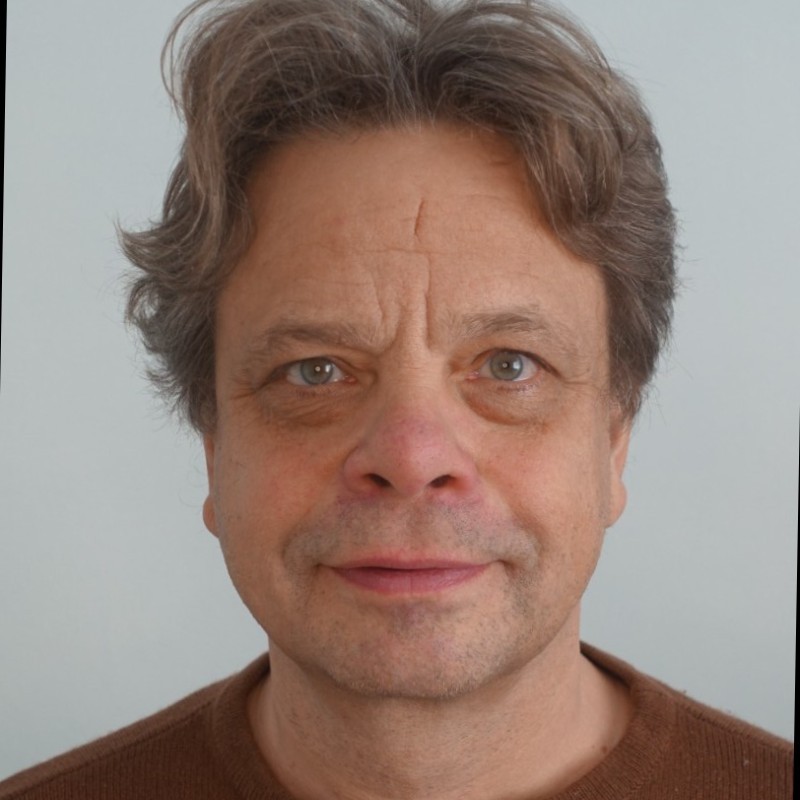
“The choice between machine translation and human translation depends on many parameters. What do you need the text for? How predictable is the text? How severe are the implications of errors and imprecisions?” Prof. Michael Carl
-
Translation competence and cognition

“The description of performance levels in translation is essential to establish a common framework for the education and the professional practice of translators. ” Prof. Amparo Hurtado Albir
-
Pragmatics and the translator´s mind
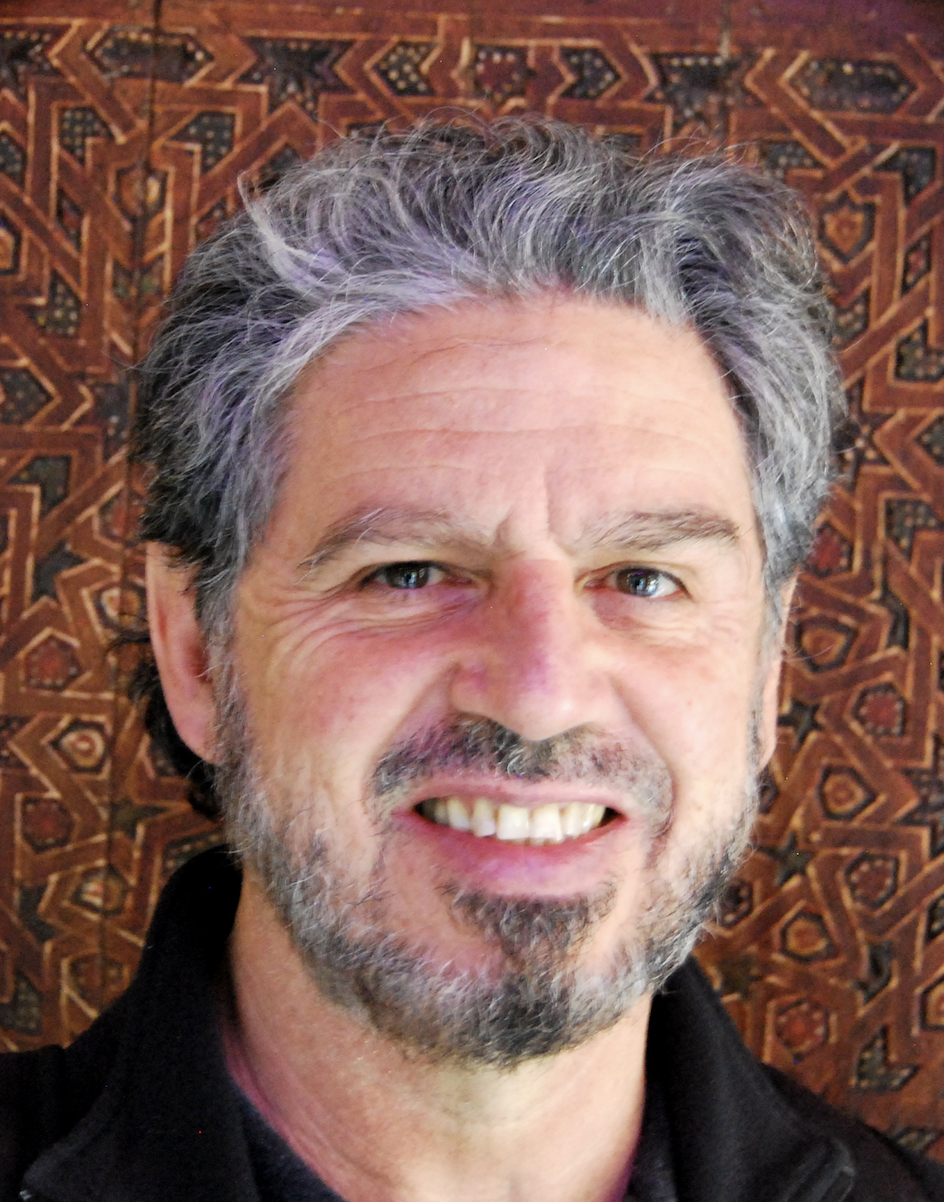
“We are part of a network. And as network we can grow together and offer some very valuable thoughts and insights to the community at large.” Prof. Fabio Alves
-
Past, present and future of cognitive TIS

“Many of our lines of thought come from other disciplines. And that is only right: a language theory isolated from what anthropologists or sociologists think of the language wouldn’t make any sense.” Prof. Ricardo Muñoz
 MINDS BETWEEN LANGUAGES