Category: Allgemein
-
Publishing CTIS research

“Sharing honestly – that is what strengthens a research community. It’s the kind of openness and generosity where you don’t tell only the success stories, you tell the whole process. The more we can do it, the better output we’re going to get.” Prof. Fabio Alves
-
Embodied cognition in translator education
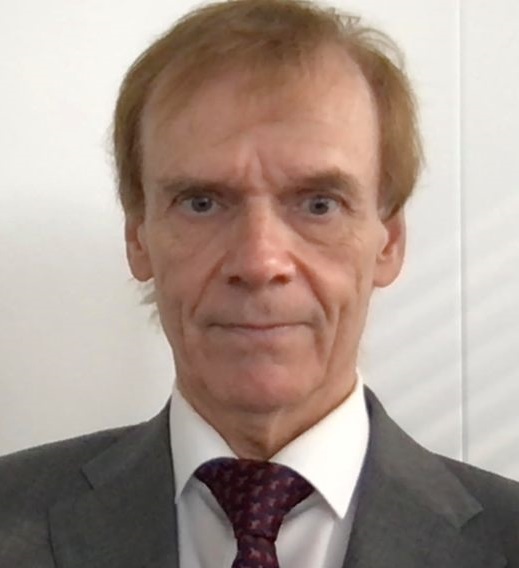
“Your cognition is not just that of an individual sitting there performing an act of translation. There are so many factors intervening, shaping, affecting, undermining or promoting that cognition that have to be taken into account.” Prof. Gary Massey
-
Exploring cognition in public service interpreting
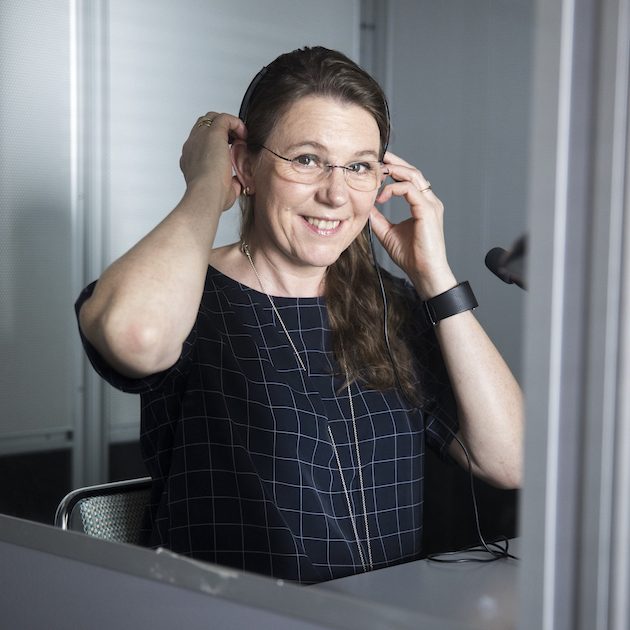
“The dialogue interpreter is like the central executive of the dialogue: they need to make sure they understand and are understood by the others, but also that everybody has access to the conversation.” Assoc. prof. Elisabet Tiselius
-
Human-centred augmented translation

“Talking about augmentation in translation, I think we need a system serving translators instead of translators serving the system.” Prof. Sharon O’Brien
-
Cognitive processing of subtitles in AVT
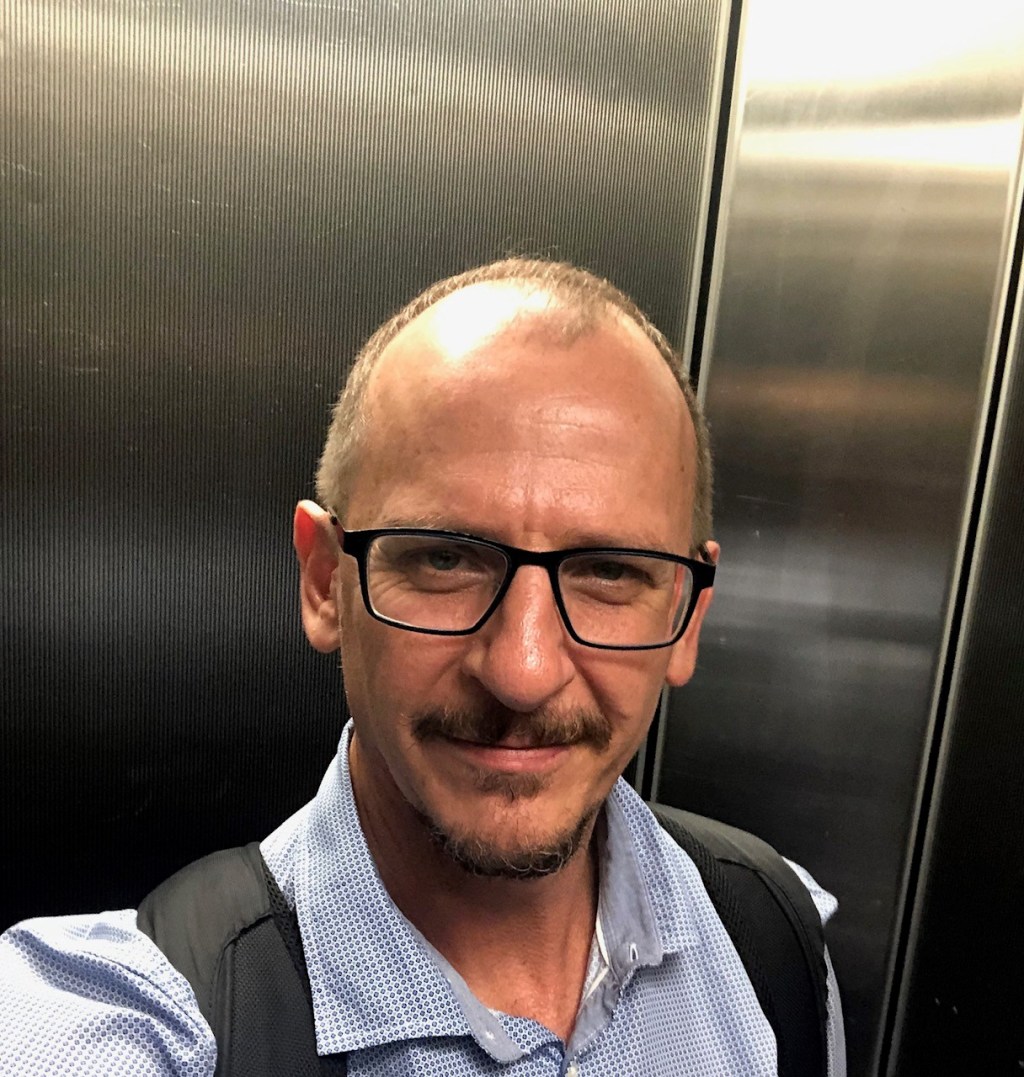
“What amazes me is that we can process really difficult things like an audiovisual text where you have to integrate spoken and written speech, soundtrack, the moving images, and make sense of it.” Prof. Jan-Louis Kruger
-
The workings of the bilingual mind in translation

“Translation has a mission. Many non-professional translators and interpreters work without being paid or recognized, especially in crisis situations. Translation pedagogy could help them to cope with the demands of being a mediator.” Prof. Bogusława Whyatt
-
Sketching out cognition in interpreting
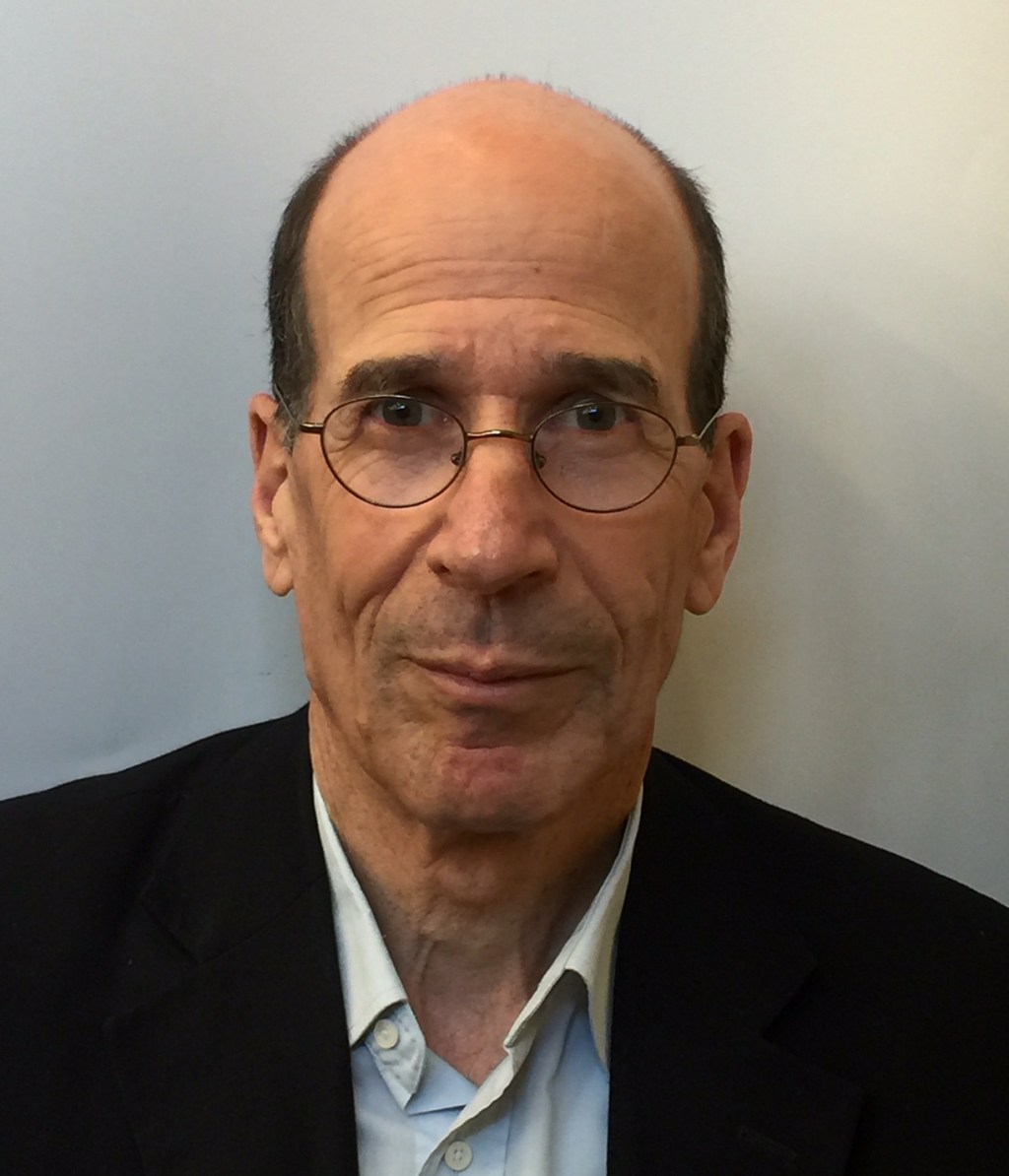
“As regards interpreting studies, it is quite clear to me from bibliographical data that if Interpreting Studies has developed and prospered, it is thanks to the interest of practisearchers, not of academics from cognate disciplines.” Prof. emeritus Daniel Gile
-
Trends and problems in cognitive translation and interpreting studies
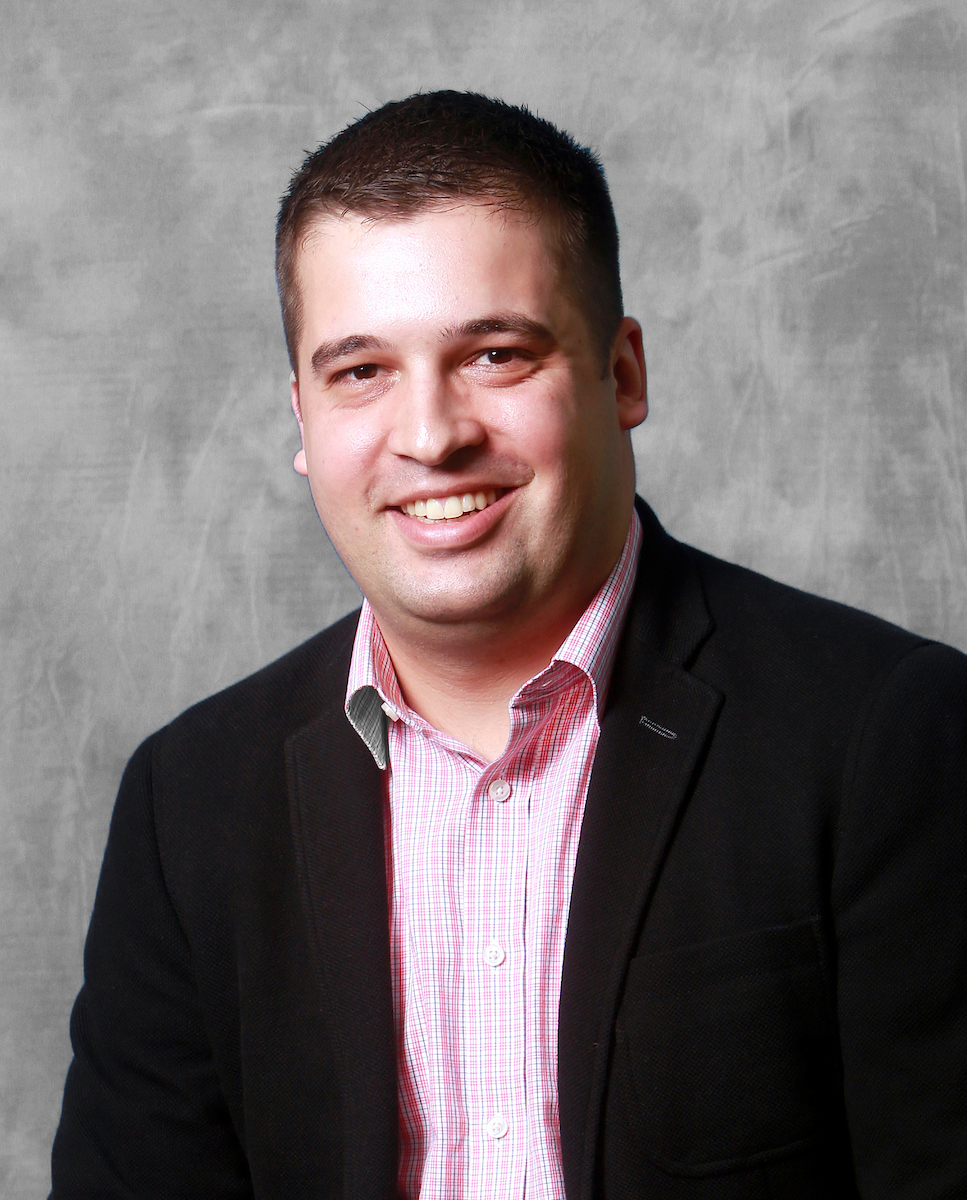
“Just because something has been published once, it doesn’t mean that it is the definite and final answer. One study cannot prove anything. Replication studies can help us to validate earlier findings.” Assoc. Prof. Christopher Mellinger
-
Field, body, and context in translation research
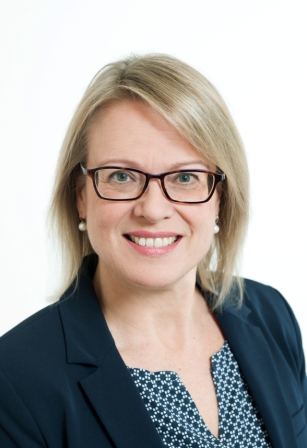
“Translation is carried out in global supply chains. We need to study these processes empirically to understand their consequences for translators and interpreters.” Prof. Hanna Risku
-
The neurobiology of simultaneous interpreting
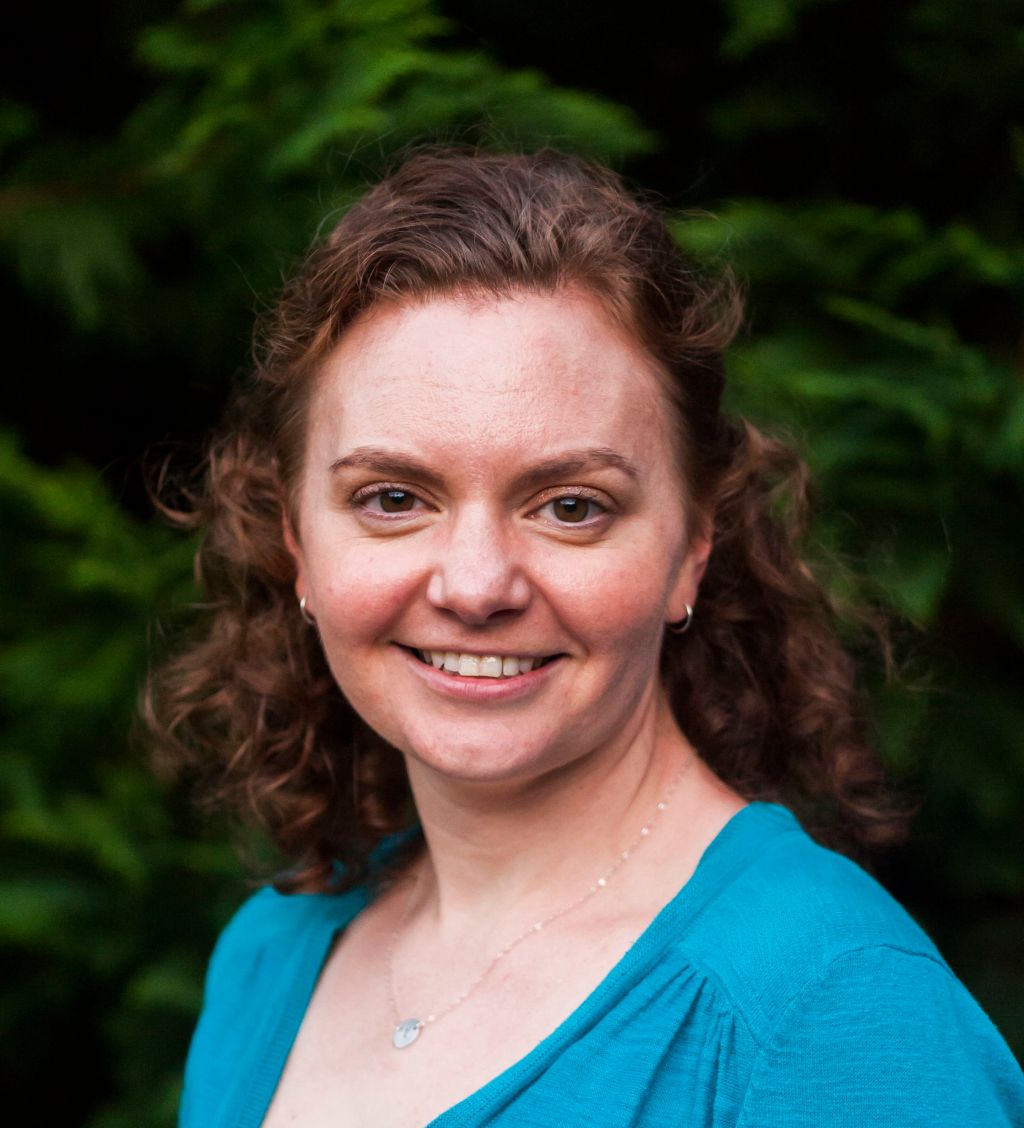
“Interpreters are a heterogenous group, multilinguals, too. There are lot of individual differences. So there are a lot of ways to be an interpreter or a multilingual.” Assist. Prof. Laura Babcock
 MINDS BETWEEN LANGUAGES